Rapid and Humane Wildlife Removal Solutions for Columbia, SC Homeowners
Humane wildlife removal in Columbia, SC, for raccoons, squirrels, bats, and rodents. Protect your home with safe removal, cleanup, and long-term prevention solutions.
📑 Table of Contents
Understanding the Wildlife Challenge in Columbia
Wildlife problems are becoming increasingly common for homeowners across Columbia, South Carolina. As neighborhoods continue to expand into wooded areas, parks, and river corridors, animals such as raccoons, squirrels, bats, opossums, snakes, and rodents are naturally pushed closer to residential spaces.
Homes provide the ideal shelter for these animals. Attics, crawl spaces, roof vents, and chimneys offer warmth, safety, and protection from predators, making them common entry points.
Service Area we Target in Columbia, SC
You can view the general service location and coverage area in Columbia below:
Blythewood Wildlife Removal operates throughout Columbia and nearby areas, providing humane solutions tailored to local homes and environmental conditions.
Common Signs of Wildlife in Your Home
- Scratching or movement sounds in the attic, especially at night
- Strong or unusual odors coming from ceilings or walls
- Droppings or nesting materials found in hidden areas
- Small holes or damage near rooflines and vents
If these signs appear, it's often a good idea to explore professional wildlife removal services in Columbia, SC, before the problem worsens.
Understanding Wildlife Activity in Columbia
Columbia's environment makes it particularly attractive to wildlife. The combination of mature trees, water sources, and older homes creates easy access points and ideal nesting conditions.
Forest Acres and Shandon
In areas like Forest Acres and Shandon, tree branches often extend over rooftops, allowing animals like squirrels and raccoons to enter easily.
Urban Areas (Five Points and The Vista)
Urban areas such as Five Points and The Vista attract rodents and opossums due to food availability, while neighborhoods near water see increased activity from bats and snakes.
Why Proper Wildlife Removal Matters
Wildlife removal is not just about removing animals. It's about preventing them from coming back. Many temporary solutions fail because they do not address entry points or underlying causes.
A complete approach typically includes:
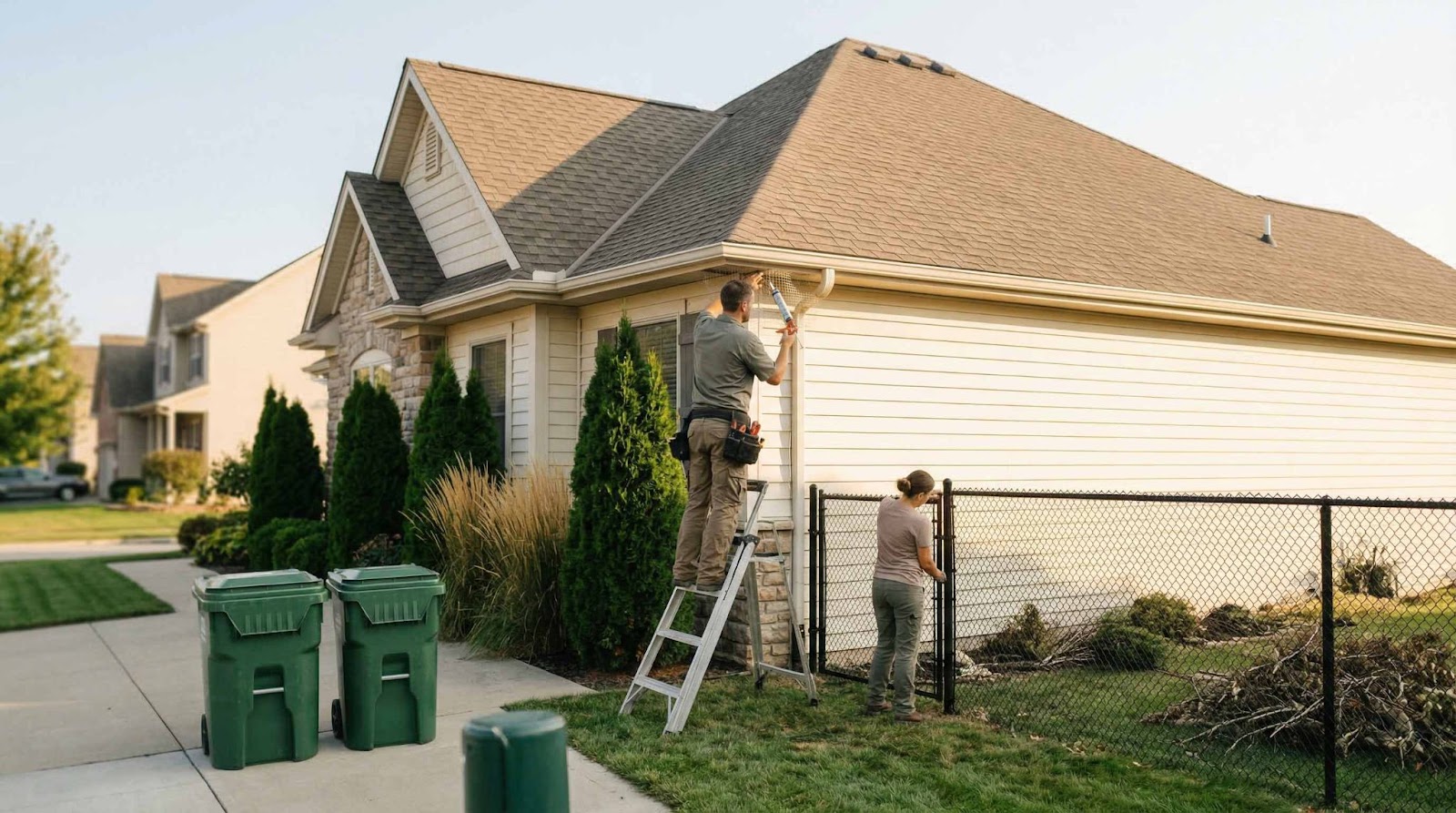
- Identifying and sealing all entry points
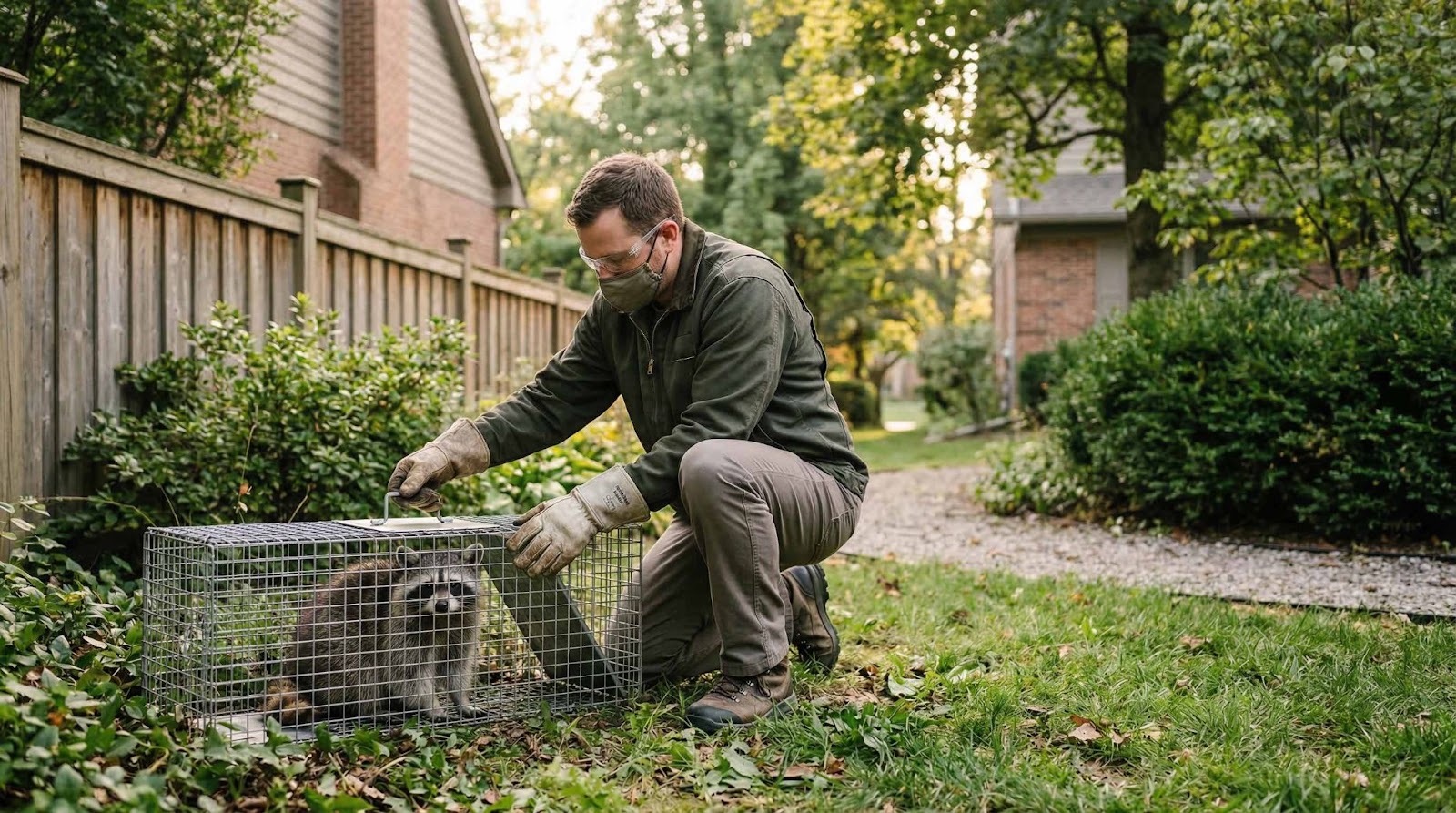
- Removing animals using humane techniques
- Cleaning and sanitizing affected areas
- Addressing environmental attractants
This is why homeowners often turn to humane wildlife removal experts in Columbia who provide long-term solutions instead of quick fixes.
Common Wildlife Issues in Homes
Different species create different types of problems. Understanding what each animal does helps in planning the right removal strategy:
Raccoons
Known for damaging roof vents and nesting in attics, raccoons can cause significant structural damage.
Squirrels
Can create fire hazards by chewing electrical wiring, posing a serious safety risk to your home.
Bats
Often form colonies in enclosed spaces, affecting indoor air quality over time.
Rodents
Spread quickly and contaminate insulation, creating health hazards and structural issues.
Snakes and Opossums
Tend to occupy crawlspaces, garages, or areas beneath decks.
Health and Property Risks
Wildlife infestations can lead to a range of issues that affect both your home and your health. Some of the most common risks include:
- Reduced energy efficiency due to damaged insulation
- Fire hazards caused by exposed or chewed wiring
- Air contamination from droppings and urine
- Parasites such as fleas, ticks, and mites
How to Prevent Wildlife from Returning
Prevention plays a critical role in long-term protection. Simple steps can make your home far less attractive to wildlife.
Prevention Steps:
- Seal gaps around rooflines, vents, and foundations
- Trim trees and branches away from the house
- Keep trash containers tightly closed
- Avoid leaving food sources outside
Regular inspections can also help identify potential problems before they turn into full infestations.
Final Thoughts
As Columbia continues to grow, wildlife encounters are becoming more frequent. While these animals are simply adapting to their surroundings, their presence inside homes can create serious challenges.
Understanding the risks, recognizing early signs, and taking preventive action can make a significant difference. Addressing the issue early with the right approach helps protect both your property and your peace of mind.
Frequently Asked Questions
What are the early signs of wildlife in a home?
Homeowners often notice scratching noises in the attic, especially at night, along with droppings, unusual odors, or visible damage near roof vents and entry points. These are some of the earliest indicators of wildlife activity.
Why do animals enter homes in Columbia, SC?
Wildlife is attracted to homes because they provide shelter, warmth, and easy access to food. Areas with trees, water sources, and older structures are especially vulnerable to animal intrusion.
What kind of damage can wildlife cause inside a house?
Animals can tear insulation, chew electrical wiring, damage roof vents, and contaminate spaces with droppings and urine. Over time, this can lead to structural issues and increased repair costs.
Is humane wildlife removal effective?
Yes, humane wildlife removal focuses on safely removing animals while also preventing them from returning. This approach includes inspection, removal, and exclusion for long-term results.
Will animals come back after removal?
They can return if entry points are not properly sealed. This is why exclusion—closing all access areas—is a critical part of effective wildlife control.
How much does wildlife removal cost in Columbia, SC?
Costs vary depending on the type of animal, the extent of damage, and the level of cleanup required. Minor issues may cost less, while severe infestations with attic damage can cost significantly more.
Is wildlife in the attic dangerous?
Yes, wildlife infestations can pose health and safety risks. Animals may carry bacteria, parasites, and diseases, while chewed wiring can increase the risk of electrical fires.
How long does wildlife removal take?
The timeline depends on the species and severity of the infestation. Some cases can be resolved quickly, while others may require multiple visits for complete removal and prevention.
Do I need cleanup after wildlife removal?
In many cases, yes. Contaminated insulation, odors, and waste need to be removed to restore a clean and safe environment.
How can I prevent wildlife from entering my home again?
Prevention includes sealing entry points, trimming trees, securing food sources, and conducting regular inspections to identify vulnerabilities early.